
Protected ride
Uber
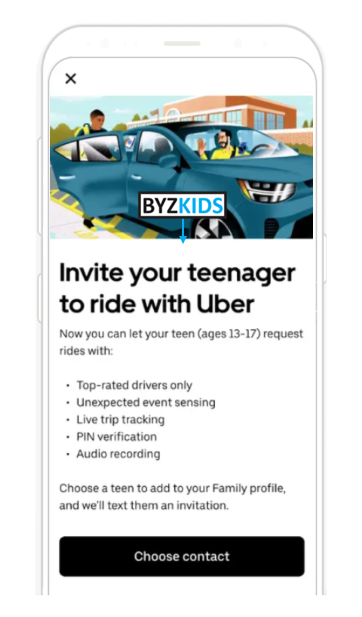
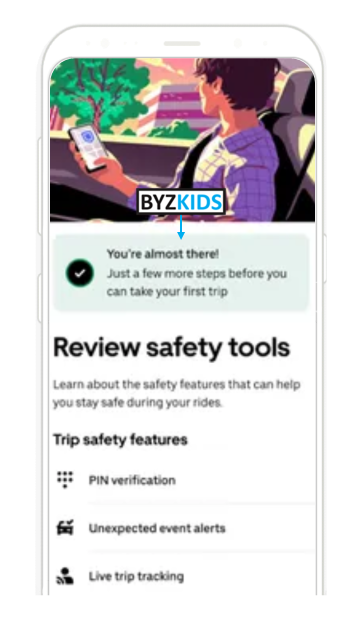
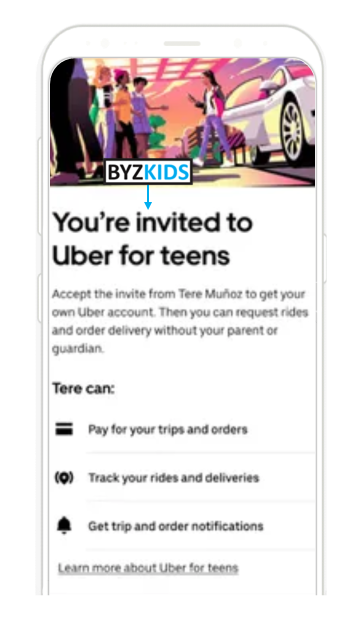
Uber USA introduced family profiles and teen accounts for safer rides. Users tracked rides, contacted drivers, and used PIN verification. Only screened drivers took teen riders for extra safety.
Innovation Metrics
30%
Penetration
0.5€
Willingness to pay
10%
Customer growth
Want to explore this innovation further?
Similar Innovations
Ride ad placement
by Uber
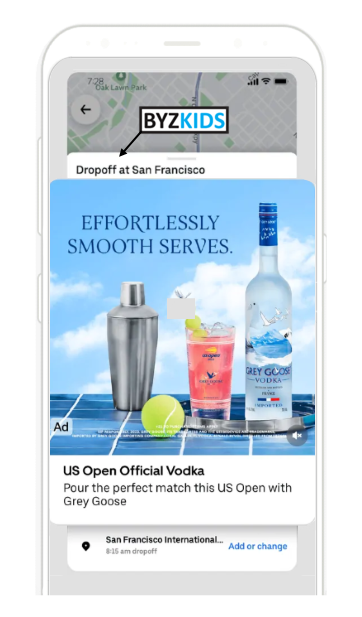
Uber USA used inapp ride flow screens to promote Paramount+ series Tulsa King, displaying ads during booking, en route, and arrival to boost thirdparty visibility and subscriptions.
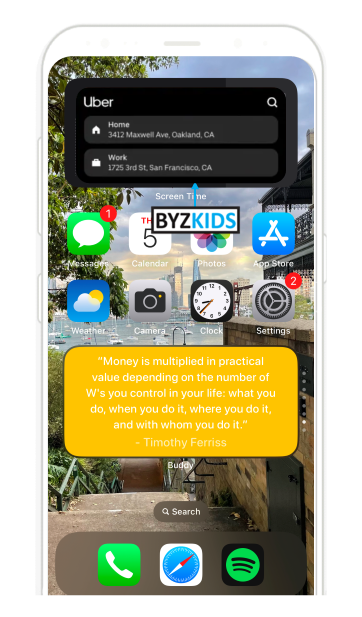
Ride request widget
by Uber
Uber USA launched a home screen widget enabling quick ride requests with saved destinations. This update simplifies bookings and is part of new features like UberXXL, which accommodates larger groups and luggage, and UberX Share for costeffective shared rides.
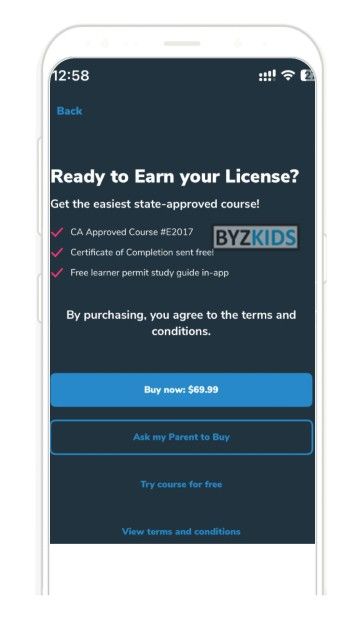
Teen-initiated parent purchase request link
by Aceable
Aceable USA added an "ask my parents to buy" button that lets users under 18 generate a shareable purchase link for their parents. The mechanism turns the child into the acquisition channel, removing the barrier between teen interest and parent payment.
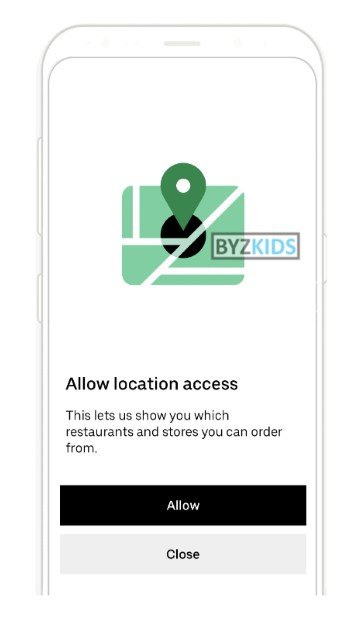
Pre-permission screen linking location to delivery benefit
by Uber Eats
Uber Eats USA requests location access through a single-purpose pre-permission screen that ties the ask directly to the core service, explaining it enables showing nearby restaurants and stores available for delivery. Connecting the permission to an immediate user benefit with a minimal two-button layout keeps the ask focused and makes the value of granting access self-evident before the system dialog appears.
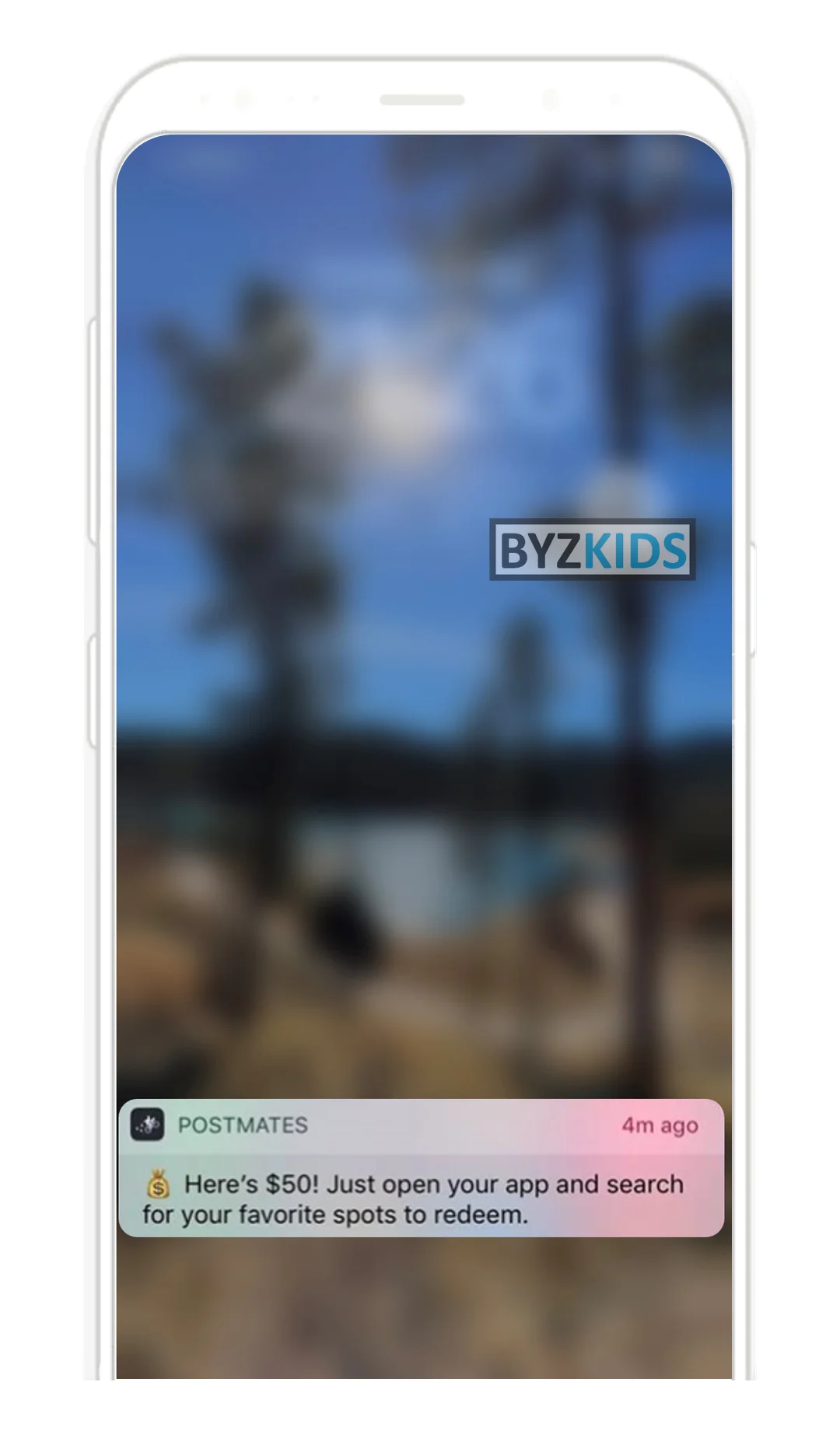
Hyper-local credit push notifications re-engage inactive users
by Postmates
Postmates USA launches targeted push notifications delivering monetary credits redeemable at nearby restaurants, paired with a direct call to action to open the app and browse. The campaign re-engages inactive users by lowering the financial barrier to placing a delivery order. The key differentiator is the combination of hyper-local relevance and immediate incentive delivery through the push channel, driving session reopens and conversions without requiring users to seek out a promotion.
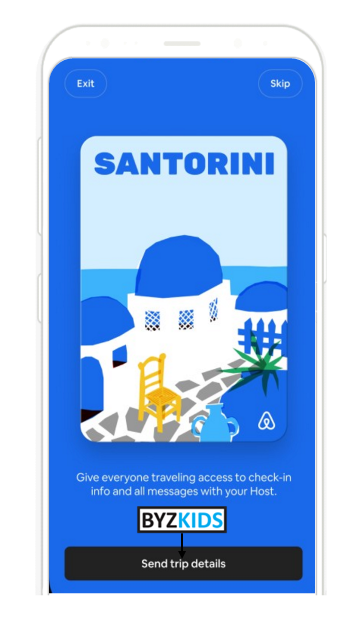
Group booking
by Airbnb
Airbnb USA introduced group booking features supported by AIdriven customer service, allowing users to coordinate stays and communicate effortlessly. It simplifies shared travel planning and improves guest satisfaction.
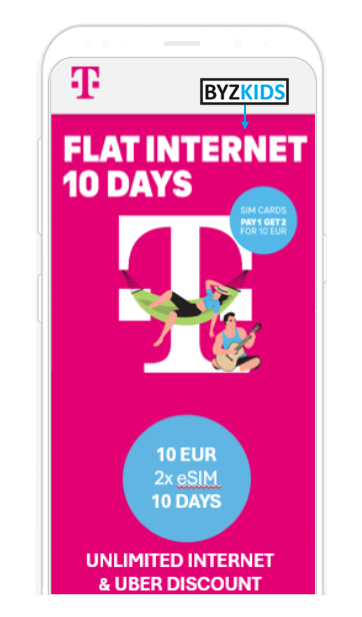
Data package with Uber discount
by T-Mobile
Telekom CRO provides eSIMs for tourists with discounted data for Uber. This allows users to access mobile data while traveling and enjoy significant discounts on Uber rides during their trip.
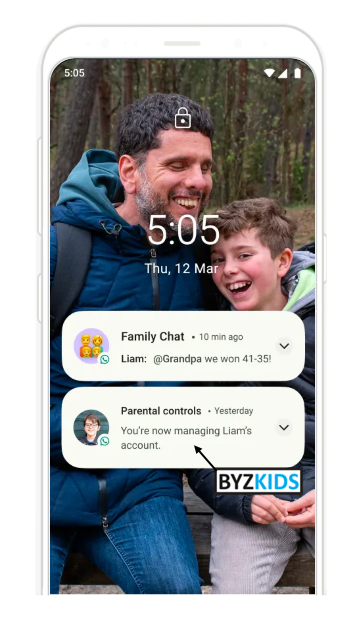
Parent-linked accounts for pre-teens with oversight
by WhatsApp
WhatsApp USA launched parent-linked accounts for pre-teens that connect a child profile with a guardian for oversight and safety controls, including permissions and monitoring features built into the app. It creates a safer, more trusted environment for younger users.
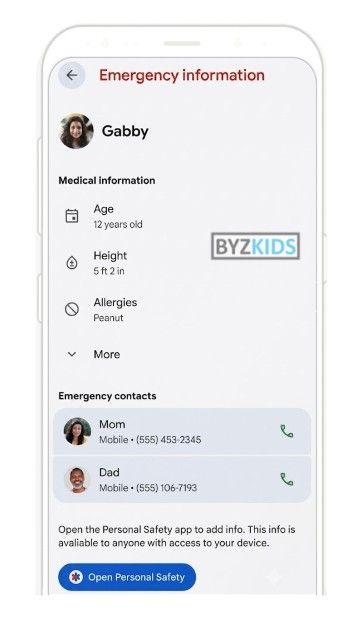
Child personal safety features directly on phone lock screen
by Google
Google USA extended its Personal Safety app features to children for the first time, bringing automatic crash detection and emergency information on the lock screen to users under 13. Teens also gain a safety check timer that automatically shared their location with trusted contacts if they did not check in before a set countdown expired.
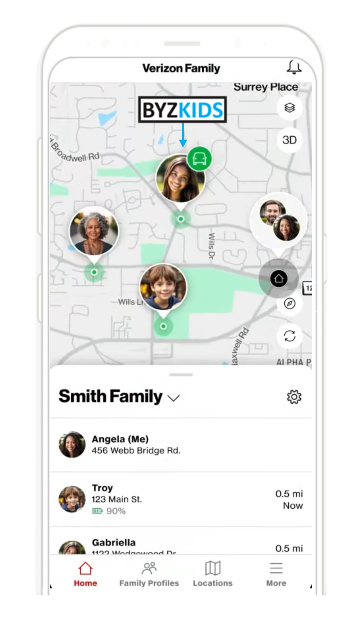
Family app
by Verizon
Verizon USA launched the family app to keep families connected and safe. It features location sharing, parental controls, SOS alerts, driving insights, crash detection, and geofencing.
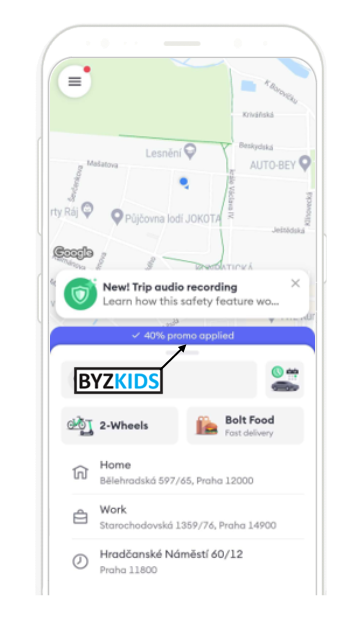
Safety audio record
by Bolt
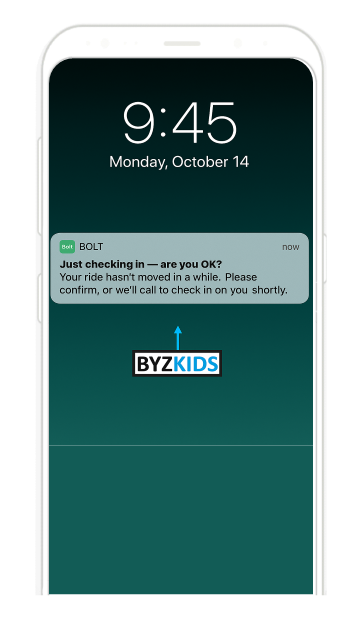
Bolt EST allows drivers and passengers to record audio via the app during a ride, discouraging inappropriate behavior and enhancing overall safety for everyone involved.
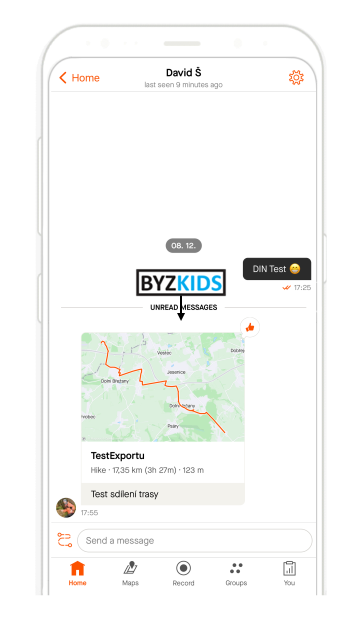
Inapp messaging
by Strava
Strava USA released a new tool for inapp messaging. Users are able to send private onetoone and group messages. The new messaging feature is available to both premium and free subscribers.
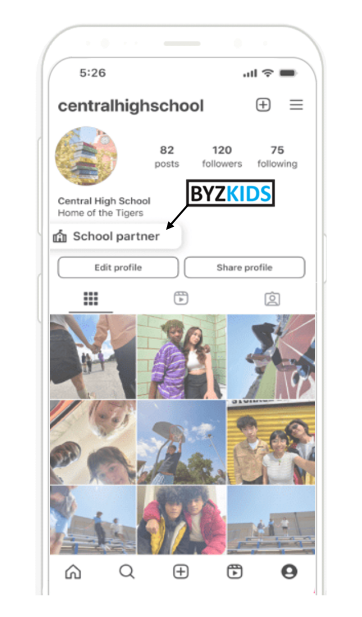
Teen account
by Meta
Meta USA expands teen accounts to Facebook and Messenger worldwide, allowing teens to have more controlled interactions while enhancing safety and privacy features specifically designed for younger users.
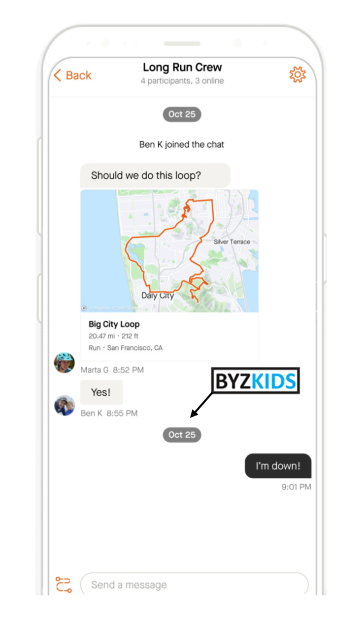
Inapp messaging
by Strava
Strava USA released a new tool for inapp messaging. Users are able to send private onetoone and group messages. The new messaging feature is available to both premium and free subscribers.

Channels
by WhatsApp
WhatsApp USA enabled users to book trips, including flight seat selections or appointments, while also enabling transactions using WhatsApp Pay without leaving the app.
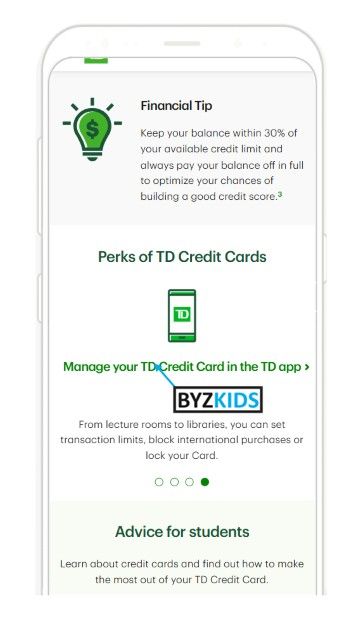
Family spend card
by TD Bank
TD Bank USA enabled users to teach teens money skills with the TD Go Card, a reloadable prepaid Visa that let parents fund accounts and monitor spending to build smart financial habits.
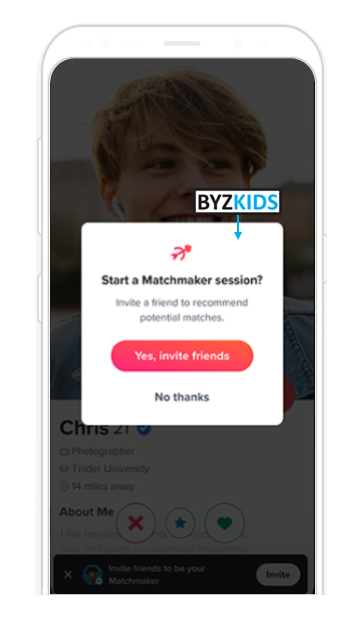
Tinder Matchmaker
by Tinder
Tinder USA has introduced a new feature called Tinder Matchmaker, allowing users to invite their friends, including those who aren't Tinder users, to view and suggest potential matches.
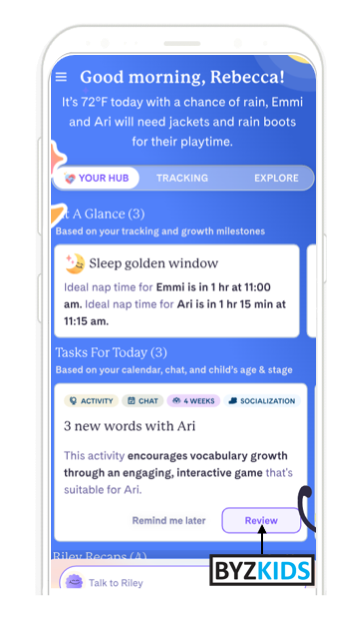
Parenting care manager
by Riley
Riley USA helped users manage parenting with AIdriven baby tracking and realtime insights. It provided personalized sleep, feeding, and health tips, offering sciencebacked guidance for new parents.
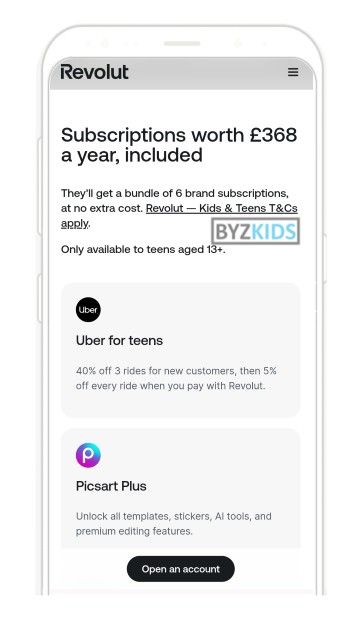
Child accounts with lifestyle ecosystem for ages 6+
by Revolut
Revolut GBR extends child accounts to ages 6+, bundling Uber for Teens, photo-editing apps and interactive lessons. Providing a lifestyle ecosystem beyond saving, making money skills useful, fun and everyday. The feature transforms basic savings accounts into comprehensive lifestyle platforms that make financial skills practical and engaging for children.
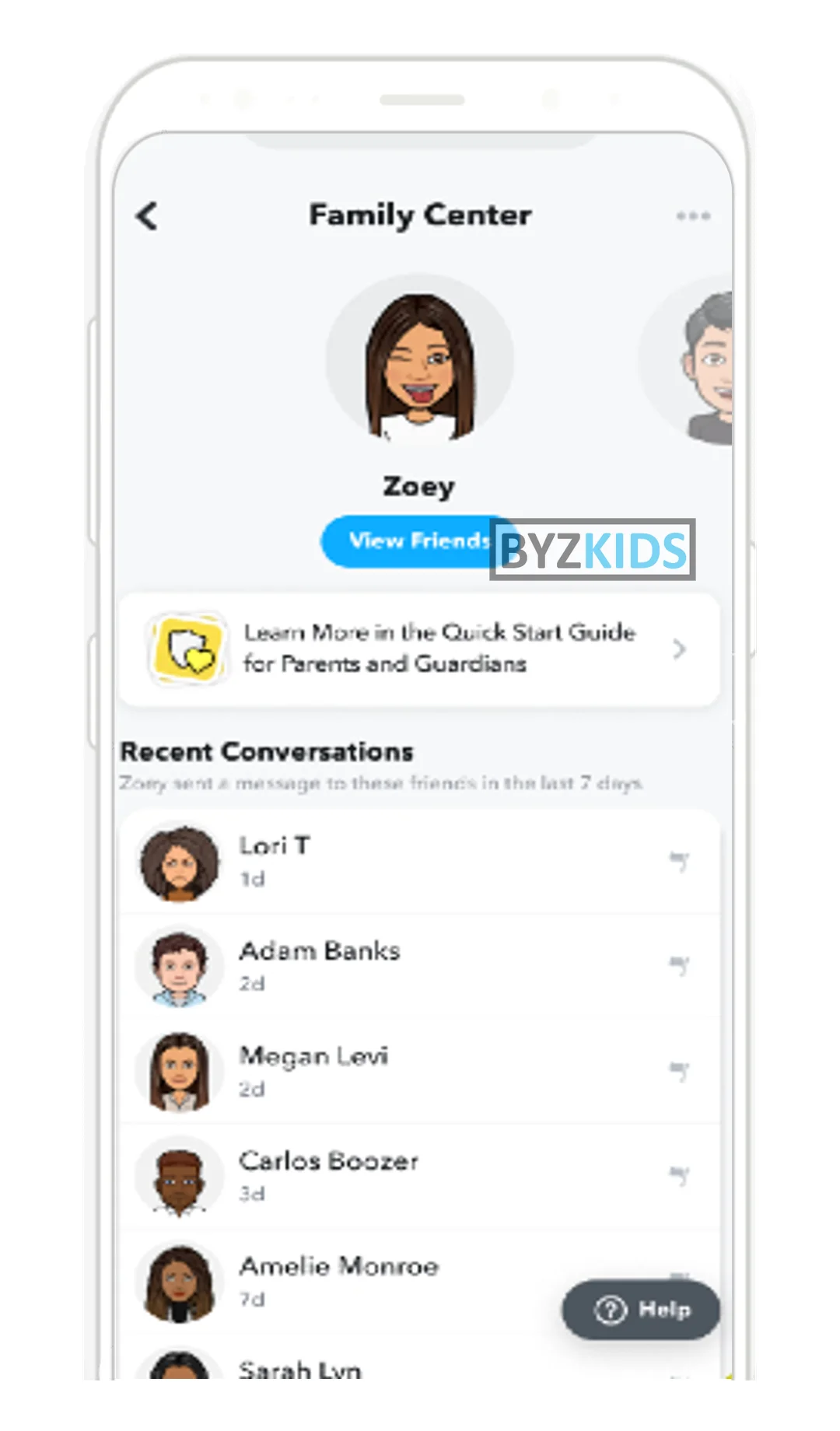
Transparent parental oversight hub for teens
by Snap Inc.
Snapchat USA launches Family Center, a parental oversight hub enabling parents to view their teen's friends list and recent conversations directly within the app. Teens are notified via an in-app banner that their parent has access, ensuring transparency rather than covert surveillance. The key differentiator is the balance between parental control and teen autonomy through visible, consent-aware monitoring.
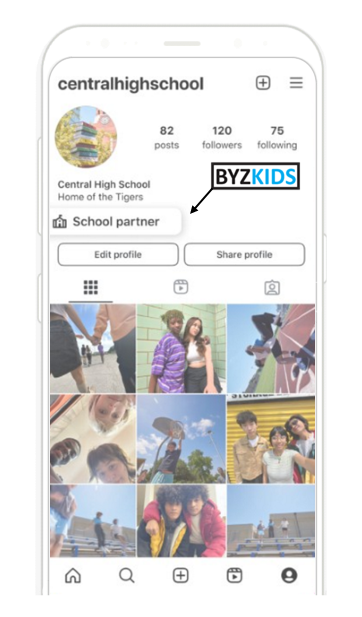
Teen social account
by Meta
Instagram CAN enhances teen protection by employing improved AI age detection to limit interactions for under18 users and allows only parents to deactivate advanced security mode for teens under 16.
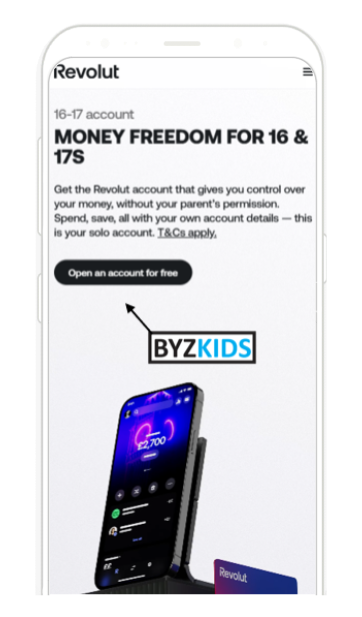
Independent teen account
by Revolut
Revolut GBR introduces a solo account for 16–17 year olds, offering full banking features and secure money management without parents' permission, including spending, saving, bill splitting and global payments.
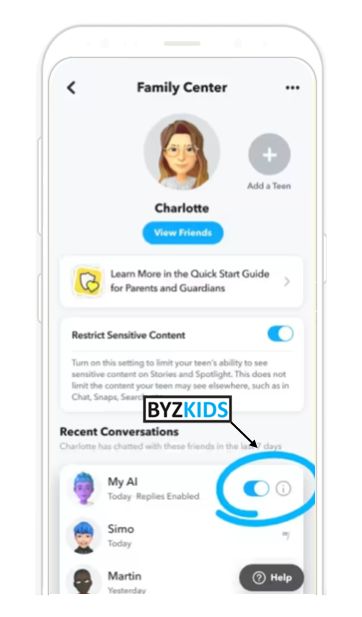
Parental control
by Snapchat
Snapchat (USA) is introducing a new parental controls feature, allowing parents to restrict their teens from interacting with the app's AI chatbot, My AI. Snapchat is also improving the Family Center, making it easier for parents to access and view their teens' safety and privacy settings.
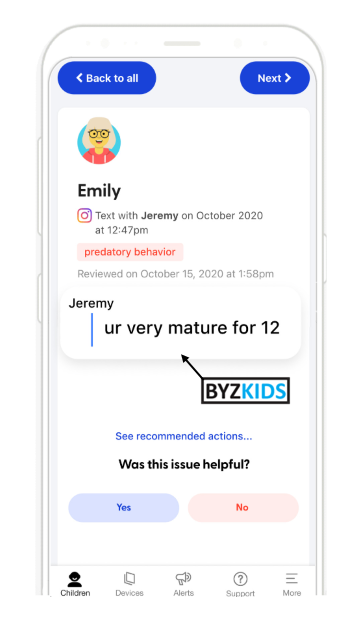
Parental alerts
by Bark
Bark USA applied AI to monitor kids’ messages and apps, alerting users to bullying, predators, or harmful content while filtering out noise and preserving important context.
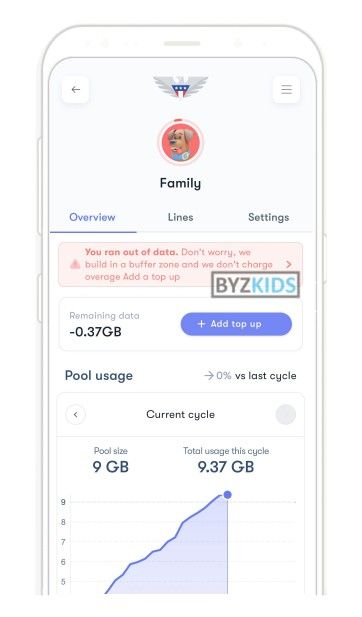
Family group shared data pool management app
by US Mobile
US Mobile USA lets a primary user manage a family group in its app, tracking a shared data pool across current cycle usage and adding top ups when the pool runs low. Each line appears as its own card with a custom avatar, phone number, remaining text and data, and its individual renewal countdown.
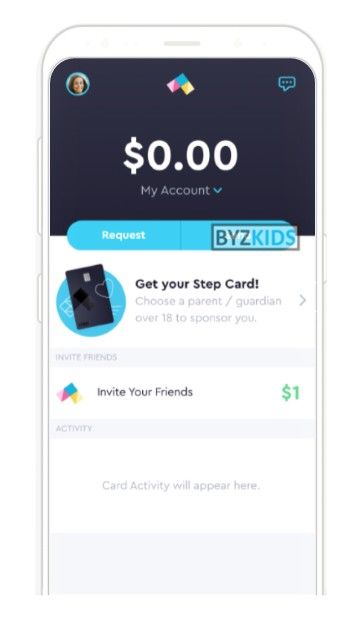
Teen secured credit-builder card with round-ups
by Step
Step USA launched a secured credit-builder card for teens with no monthly fees, no minimum balances, and a round-up savings feature. Users build real credit history that follows them into adulthood, creating an invisible transition from kid banking to credit building within the same app.
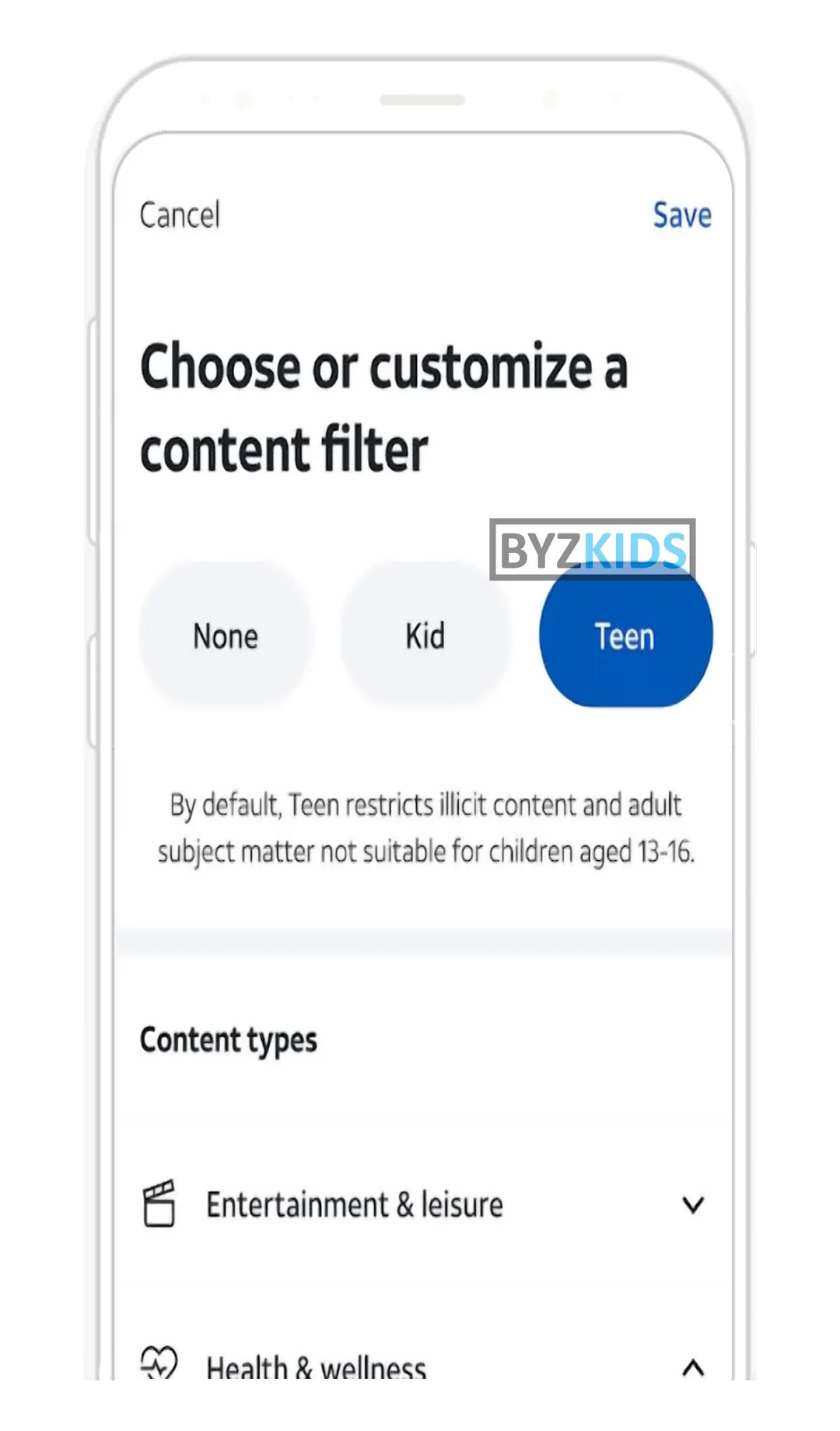
Instant pre-configured household roles for families
by AT&T
AT&T USA launches predefined household roles for children and teenagers that eliminate manual permission setup entirely. Each role arrives pre-loaded with appropriate content filters, usage limits, and access rights, meaning new family members are protected from their very first minute on the network. The key differentiator is the shift from configuration-heavy parental controls to instant role assignment, dramatically reducing friction for families managing multiple members.
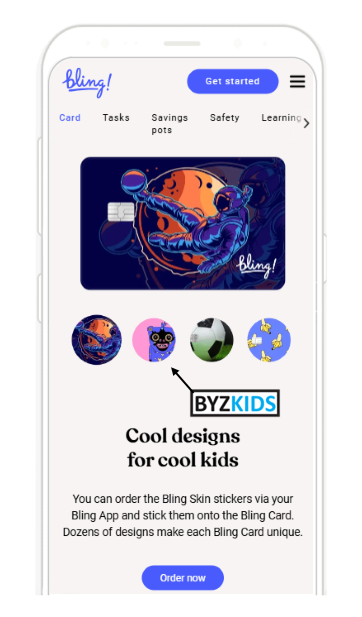
Family account
by Bling
Bling DEU provided users a family banking app with kidfriendly debit cards, saving goals, task planning, and dual interfaces for parents and kids, promoting early financial education and control.
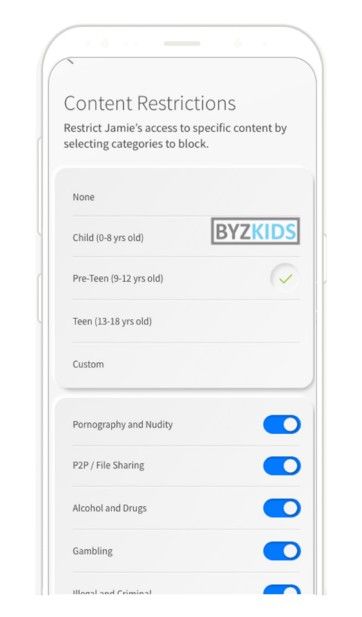
Profile-based content restrictions with age presets
by Go Pioneer
Go Pioneer USA provides profile-based content restrictions with age presets and category toggles for harmful content. Predefined groups combined with manual controls simplify setup, helping parents quickly create safer online environments.
How's your experience?